







FIXED RETURN & PASSIVE INCOME
INVEST FOR BETTER TOMORROW



SECURE YOUR WEALTH. GROW WITH CONFIDENCE


All corporate bond trades are governed by SEBI's regulatory framework, ensuring complete transparency. Payments and bond allocations flow exclusively through SEBI-regulated clearing houses.
SEBI-recognised credit rating agencies mandatorily rate all listed bonds, assessing each issuer's financial health and debt repayment ability to help investors make informed decisions.


SEBI-regulated debenture trustees exist to protect bondholders. They monitor issuer compliance with bond terms and enforce bondholder rights in the event of any breach.


REGULATED & TRANSPARENT
CAPITAL PROTECTION
DIVERSIFIED BOND PORTFOLIO
EXPERT-GUIDED STRATEGY
SEAMLESS INVESTING EXPERIENCE
PREDICTABLE, STEADY RETURNS

Our Clients Say

"Markets were crashing, but my bond investments didn't even flinch! Steady interest, capital safe, and returns way better than any FD. Honestly, best decision I made."
Ram Gopal
Knowledge Blog


Frequently Asked Questions
1. What are bonds ?
-
A bond is a fixed-income instrument that represents a loan made by an investor to a borrower. When you buy a bond, you are essentially acting as the lender, and the issuer (typically a government or corporation) is the borrower.
3. When and how can an investor sell their bonds?
-
An investor can sell a bond in two ways: by holding it until by
maturity to receive the full principal from the issuer, or by selling it on to the secondary market ( stock exchange ) to another investor at the current market price before the maturity date.
2. What are the types of bonds on the basis of security?
-
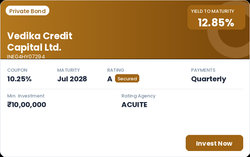
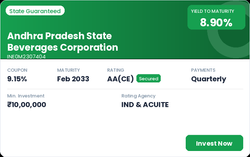
Secured Bonds:Loans backed by the specific collateral (assets) that investors can claim if the issuer defaults.
-
Unsecured Bonds: Loans backed only by the issuer's creditworthiness, with no assets pledged as backup.